#1: There are CPAP Alternatives
For many years, the treatment of choice for sleep apnea was a CPAP—continuous positive airway pressure—machine. With CPAP therapy, patients strap a mask around their heads and over their mouths and nose, delivering constant mild air pressure while sleeping. However, many patients fail to use the CPAP machine nightly because it is bulky, uncomfortable, and noisy. Fortunately, there are CPAP alternatives for patients in Fitchburg to depend on to help them get a whole night’s sleep.
#2 Dental Sleep Appliances Do Work
Dr. McDowell can prescribe a custom oral sleep appliance. A comfortable oral appliance slightly shifts your lower jaw forward and helps to maintain an open airway that does not become blocked. Another solution for sleep apnea is a tongue-stabilizing sleep device. This device is a simple splint worn while you sleep to prevent your tongue from blocking the airway. Furthermore, this type of treatment has been proven effective in snoring cessation.
#3: Sleep Apnea & Acid Reflux could be Related
Eighty percent of people diagnosed with acid reflux report heartburn occurring primarily at night. What happens when patients lie down to sleep at night? You guessed it – the stomach acids flow backward.
#4 There are Links between Snoring & Sleep Apnea
Do you know someone who snores? Snoring may disturb the sleep of the snorer and the people closest to them. Obstructive Sleep Apnea (OSA) only affects about half of all snorers, while the other half are considered primary snorers. Therefore, frequent, and loud snoring is not always an indication of Obstructive Sleep Apnea; however, many patients with OSA have a chronic snoring problem.
Snoring Disorder Causes
Snoring occurs when the soft tissue in the back of the throat relaxes and partially blocks your airway—resulting in the soft tissues vibrating as you sleep. Some causes of snoring include a patient’s genetic predisposition, anatomy, and behavioral factors such as weight gain, alcohol consumption, and sleep position.
#5 A Consultation Could Save Your Life
One of the first indicators of OSA is loud, frequent snoring. People with OSA could stop breathing for a few seconds to a minute or more. You should seek OSA treatment if you experience habitual loud snoring, gasp, or choke during sleep, or stop breathing. Additionally, seek treatment if you experience excessive restlessness at night or feel fatigued during the day.
#6 The Health Risks of Sleep Apnea
Sleep apnea that is left untreated may affect everyday activities. You may experience chronic headaches, depression, acid reflux, adult-onset asthma, weight gain, and other severe medical conditions. These include:
- High blood pressure
- Stroke
- Heart Problems (heart failure, irregular heartbeats, heart attacks)
- Type 2 Diabetes
#7 Sleep Apnea Symptoms
It is often difficult to determine if you are suffering from a sleep disorder because most symptoms occur at nighttime while you are asleep. However, if you notice any of the following, it is crucial to see a sleep apnea specialist like Dr. Brian McDowell in Fitchburg, MA.
- Loud, frequent snoring
- Gasping for breath
- Excessive daytime fatigue
- Depression and irritability
- Frequent waking at night
#8 Obesity and Sleep Apnea
Excessive weight gain can cause or worsen Obstructive Sleep Apnea (OSA), especially if the weight is on or around the face. If fact, sleep apnea might be a predictor of obesity. If your BMI places you in the “obese” range, or if you have any sleep apnea symptoms, schedule a consultation with Dr. Brian McDowell, a sleep apnea specialist.
#9 Sleep Apnea Can Have Many Complications
A few sleep apnea complications include:
- Hypertension and heart disease
- Daytime sleepiness
- Surgery complications
- Liver consequences
- Unhappy sleep partners
- Depression
- Headaches
- Memory issues
- Impotence
#10: Sleep Apnea and High Blood Pressure
Sleep apnea studies have shown that patients with sleep apnea have a higher likelihood of developing high blood pressure in the future.
There are two types of sleep apnea; obstructed sleep apnea and central sleep apnea. The most common being obstructive sleep apnea. Both types of sleep apnea cause sleep disruption throughout the night.
Frequent awakenings during the night can cause changes in the hormonal systems, which sometimes result in high blood pressure levels. Another contributing factor to hypertension is the frequent cutoff of oxygen, resulting in low blood-oxygen levels.
#11: Schedule A Sleep Apnea Consultation
Contact our team at (978) 343-4031 to schedule a personalized consultation to be evaluated for Sleep Apnea, Snoring, and TMJ/ TMD. With over 30 years of experience, Dr. Brian McDowell continues to care for sleep apnea patients from Fitchburg, Leominster, Gardner, Lunenburg, and many surrounding areas.

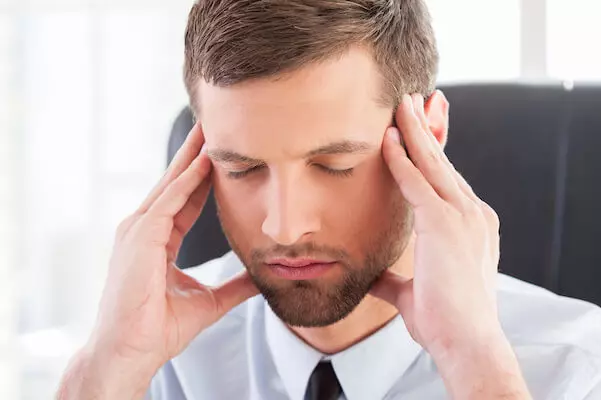 You or someone you know may snore while sleeping. You may find yourself wondering why your husband or wife snores so loud? While most people regard snoring as a natural bodily function, it could also indicate other health complications. Snoring is the first sleep apnea indicator, a condition that develops when your airway is blocked while sleeping. Unfortunately, your body and brain fail to receive the proper oxygen needed to restore your body and prepare for the next day. With advanced training and over 30 years of experience, patients trust the expertise of Dr. Brian McDowell for sleep apnea evaluation in the Fitchburg area.
 These two dentistry topics may seem to have little to do with each other, but the truth is that TMD and dental implants are closely interconnected. Our dentist,
 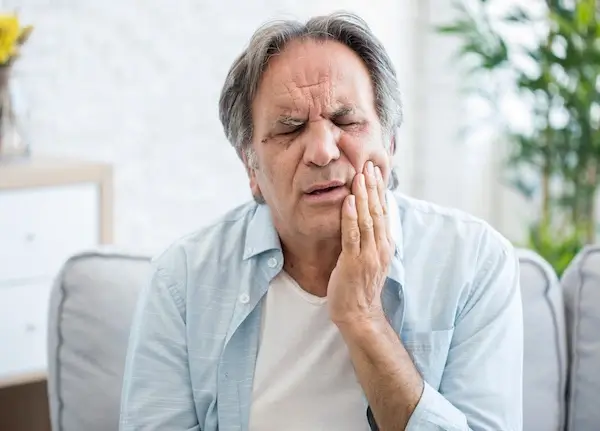 You’re relaxing at home when you suddenly feel significant pain or discomfort in one of your teeth. Do you need to call the dentist immediately? Or can you wait for the pain to subside? Sometimes it can be hard to tell whether tooth pain is genuinely urgent, but if it is, you can’t wait too long to call your emergency dentist for help. So, here’s what you need to know to decide when your tooth pain or toothache is a