
Rick Factors & Causes Of Sleep Apnea
Rick Factors & Causes Of Sleep Apnea
 Are you struggling to get enough sleep? Do you wake up tossing and turning? Are you frequently tired during the day? Or are your loved ones complaining about snoring? If so, you may be suffering from sleep apnea.
Working with a sleep apnea expert, such as Dr. Brian McDowell, who has 30+ years of experience and advanced training to treat sleep-disordered breathing with oral appliance therapy as an alternative to CPAP therapy. You will be able to identify sleep apnea and the underlying conditions and factors causing it. From there, you can identify the appropriate prevention and treatment plan.
Causes Sleep Apnea
Sleep apnea is caused when the muscles or soft tissue in the back of your throat relax. This movement of tissue obstructs the airway, which can then cause a wide range of factors and conditions. Effective treatment requires first identifying the cause of sleep apnea, so proper diagnosis is vital.
Sleep apnea can also result from other medical conditions. Conditions such as asthma and chronic obstructive pulmonary disease, also known as COPD, obstruct the upper airways. Circulatory conditions, including diabetes mellitus and congestive heart failure, are known to be present in many people who have sleep apnea. Hormones may also play a part in developing this sleeping disorder, as menopausal women and those with polycystic ovary syndrome (PCOS) have a greater chance of experiencing sleep apnea.
Risk Factors for Sleep Apnea
While some medical conditions increase a person’s risk of sleep apnea, other risk factors predispose people to this condition. Some risk factors of sleep apnea include:
- Obesity – Substantial research supports the link between obesity and sleep apnea. This link is primarily due to excess fat around the neck and face that can constrict the airways. Studies show that around 70% of individuals with obstructive sleep apnea are obese.
- Sleeping position – Some sleeping positions may increase your risk of sleep apnea. We recommend that someone at risk of sleep apnea sleeps on their side since this improves bodily circulation and reduces the likelihood of snoring. Another good option is stomach sleeping, which allows gravity to pull down on the throat muscles and works in your favor by keeping the airways open.
- Inherited – It’s possible to inherit sleep apnea. Researchers believe genetics can contribute quite heavily to the development of sleep apnea. Studies show that 40% of a person’s risk for sleep apnea is because of their genetics. In comparison, the remaining 60% is due to lifestyle factors.
- TMJ Disorders – Problems with your temporomandibular joint, including injuries and arthritis, may indicate the presence of sleep apnea.
- Smoking – Smoking of any kind serves as an irritant to the upper respiratory system. This irritation can lead to dryness and swelling, which only worsens someone’s likelihood of having an obstructed airway.
- Nasal Congestion – Someone with acute or chronic nasal congestion will experience much resistance in the airway. Doctors have found that, by simulating nasal congestion, individuals demonstrated sleep symptoms such as snoring, shallow breathing, and apnea. Individuals with chronic nasal congestion are twice as likely to experience sleep apnea symptoms.
- Alcohol – Alcohol can not only worsen cases of sleep apnea but this substance is also known to cause apnea. Alcohol and other sedatives decrease someone’s need to breathe, which is already a concern for those with sleep apnea. Someone who frequently drinks alcohol will experience slowed breathing and even more relaxed muscles, which can lead to a collapsed airway.
- Hormonal Abnormalities – Individuals who do not produce enough melatonin will struggle with their sleep-wake cycles and have a greater risk of experiencing sleep apnea. Studies also show that low estrogen and progesterone levels can bring about sleep apnea since these two hormones help with muscle maintenance necessary to keep the airway intact.
Various other conditions and factors can contribute to developing sleep apnea. Without treatment, sleep apnea can have profound health consequences. Furthermore, medical conditions such as heart disorders can be severe. That’s why it’s important to discuss your situation with a sleep apnea expert, such as Dr. Brian McDowell, so you may get help treating your sleep apnea.
Should I Wear A Nightguard?
Should I Wear A Nightguard?
 A nightguard is an oral device worn while sleeping to protect your teeth and jaw from clenching and grinding. Over time clenching and grinding can cause unnecessary wear on the teeth, sometimes leading to chips, cracks, and even tooth loss.
Night mouthguards are soft plastic and fit comfortably over your teeth. The nightguard absorbs force and friction from tooth grinding that can wear down the enamel and damage your teeth over time.
However, nightguards are not just for individuals who grind their teeth. Various conditions can benefit from wearing a nightguard. To see if a nightguard is right for you, call our sleep apnea specialist, Dr. Brian McDowell, for an evaluation and custom fitted oral appliance.
Snoring & Sleep Apnea
Nightly snoring is often a sign of obstructive sleep apnea (OSA), a medical condition in which breathing stops for short periods when sleeping, often up to 10 seconds. Short periods of stopped breathing during sleep can prevent your body from receiving adequate oxygen, which increases your risk of health issues like heart disease and stroke.
A nightguard for snoring and sleep apnea differs slightly from a custom mouthguard. Our highly trained dentist in Fitchburg, Dr. McDowell, designs each oral appliance for sleep apnea to keep the airway open by gently pushing the lower jaw and tongue forward. This gentle pushing helps prevent the soft tissue and tongue in the back of the throat from collapsing and blocking the airway.
Grinding Teeth At Night
Bruxism is the habitual grinding or clenching of teeth, which can cause wear and cause chips, cracks, or other damage. Bruxism may also lead to headaches, jaw pain, and tooth sensitivity. The cause of bruxism is unknown, but it may be correlated to anxiety, stress, or sleep disorders.
A nightguard protects your teeth from the wear and damage caused by grinding (bruxism) by absorbing the force and lessening tension and pain in the jaw muscles.
TMJ ~ Temporomandibular Joint Disorder
TMJ is a severe condition that affects an individual’s temporomandibular joint, which connects the lower jawbone to the skull. It can cause jaw, neck, and shoulder pain, making it difficult to open or close your mouth. TMJ affects between 5% and 12% of individuals. Fortunately, TMJ is very treatable, and a nightguard is an effective non-invasive way to manage the medical condition. A nightguard can relieve some of the symptoms of TMJ because it keeps the jaw relaxed, alleviating pain and reducing inflammation.
Protects Dental Veneers & Restorations
Veneers and other dental restorations are dental treatments used to improve the function and appearance of teeth and provide added strength and aesthetics. Veneers are thin porcelain shells that your cosmetic dentist cements to the front of your teeth. Restorations, like fillings and crowns, replace tooth structures lost due to tooth decay or damage.
Nightguards are recommended for people with dental veneers or other dental restorations, as these teeth are more susceptible to damage. A nightguard keeps the teeth in alignment, preventing them from grinding and causing chips or cracks. This protection can prolong the restoration’s lifespan.
Improve Sleep Quality At Brian C. McDowell, DDS
Visit Brian C. McDowell, DDS, for custom-made oral appliances to protect your teeth and improve your quality of sleep. Call us at 978-252-2049 to book an appointment and learn how an oral appliance can get you a better night of sleep!
Relation Between Obstructive Sleep Apnea and Bruxism
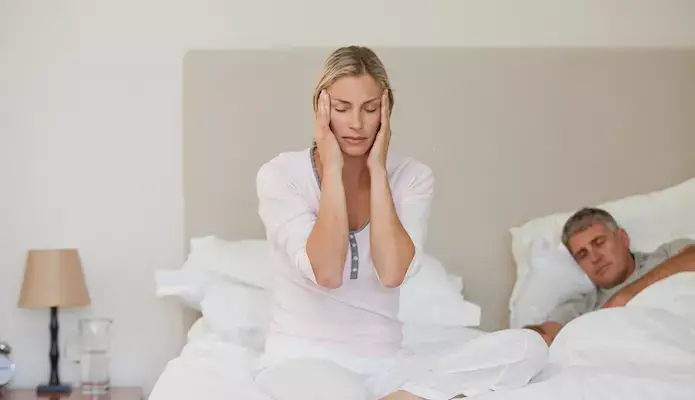 If you have ever woken up with a sore jaw, sensitive teeth, or a headache, you might have experienced bruxism. Bruxism, teeth grinding, is a condition where an individual grinds, gnashes, or clenches their teeth, typically unconsciously. Understanding the relation between obstructive sleep apnea and bruxism can help with understanding the potential risks of untreated OSA and teeth grinding.
While there are various reasons why you might grind your teeth, Obstructive Sleep Apnea (OSA) may be a contributing factor. OSA is a sleep condition that affects up to 13% of men and 6% of women across the United States. Contact our sleep apnea specialist at Brian C. McDowell DDS, for an evaluation to learn how to manage and treat both conditions.
Obstructive Sleep Apnea
Obstructive sleep apnea is a sleep disorder characterized by repeated pauses in breathing patterns during sleep. These pauses can last a few seconds to a few minutes and occur multiple times per hour.
OSA happens when the muscles in the throat relax and obstruct the airway, causing decreased oxygen levels and increased carbon dioxide. This sleep disorder can lead to severe health problems. Some health issues may include high blood pressure, cardiovascular disease, and stroke.
Sleep-Related Bruxism
During sleep, this condition is also called nocturnal bruxism or teeth grinding. It is a common condition that affects between 6% and 50% of children, 15% of adolescents, 8% of middle-aged adults, and 3% of older adults. Nighttime teeth grinding can cause dental and health problems if left untreated.
Dentists classify sleep-related bruxism as primary and secondary bruxism. Primary sleep-related bruxism is when no underlying medical condition or medication use can explain teeth-grinding behavior during sleep.
Secondary sleep-related bruxism is when teeth grinding during sleep is associated with an underlying medical condition, such as gastroesophageal reflux disease (GERD), anxiety, or depression, or is a side effect of medication.
Sleep Apnea and Teeth Grinding Correlation
There is a strong link between sleep apnea and teeth grinding. Those with sleep apnea may experience repeated pauses in breathing that lead to increased muscle activity in the jaw and grinding of the teeth.
Sleep apnea and tooth grinding negatively affect oral health. Bruxism caused by sleep OSA can lead to cracked, chipped, or broken teeth. This type of tooth damage may cause tooth or gum infections if not addressed.
Sleep apnea-induced bruxism can also cause tooth enamel erosion, weakening the tooth’s structure and making it more susceptible to cavities.
Contact A Sleep Dentist in Fitchburg Today!
Call our highly trained sleep apnea specialist, Dr. Brian McDowell at 978-252-2049 for and evaluation and custom-made, easy-to-wear oral appliances for a better nights sleep. You may need a sleep apnea assessment to determine if sleep apnea is causing nighttime bruxism or other oral health issues.
We also offer a range of oral appliances to help you get a better night’s rest and to protect your smile. They are an excellent alternative to CPAP machines for patients from Fitchburg, Gardner, Lunenburg, MA and surrounding areas with mild cases of sleep apnea.
Causes Of Bad Breath
 Everybody gets bad breath at times. But for people with chronic bad breath, it can indicate something more serious, like gum disease or a tooth infection. Brian C. McDowell, DDS can help treat the underlying causes of bad breath so you can enjoy fresh breath and a clean taste in your mouth.
If you are looking to treat chronic bad breath in Fitchburg, call our dentist, Dr. Brian McDowell at call (978) 252-2049. Schedule regular dental exam and teeth cleaning appointments to help prevent causes of bad breath.
Everybody gets bad breath at times. But for people with chronic bad breath, it can indicate something more serious, like gum disease or a tooth infection. Brian C. McDowell, DDS can help treat the underlying causes of bad breath so you can enjoy fresh breath and a clean taste in your mouth.
If you are looking to treat chronic bad breath in Fitchburg, call our dentist, Dr. Brian McDowell at call (978) 252-2049. Schedule regular dental exam and teeth cleaning appointments to help prevent causes of bad breath.
What Causes Bad Breath?
It’s important to distinguish between short-term lousy breath and chronic bad breath. Short-term bad breath occurs because of food residue in your mouth releasing scent molecules or decomposing. This odor can worsen if you are dehydrated because you’re not drinking water, too much coffee, or alcohol. Just brushing, flossing, and rinsing your mouth should be enough to handle your bad breath. But Don’t forget to brush your tongue, and don’t use mouthwash with alcohol. It can dry your mouth, leading to more bad breath even if it conceals the smell for a while. Conversely, Chronic bad breath may be a sign of something more serious. Causes include:- Acid reflux
- Gum disease
- Infected tooth
- Tonsil stones
- Retained food
- Dry mouth
- Medications and diet
- Sleep apnea (mainly linked to morning bad breath)